

Heritage: Beyond Walls è un progetto ideato e promosso dalla Fondazione Santagata per l’Economia della Cultura, con la collaborazione di più istituzioni culturali e agenzie internazionali.
_ _ _ _ _ _ _
Heritage: Beyond Walls is an online capacity-building program launched in February 2021 by Fondazione Santagata for the Economics of Culture, aiming at establishing an information channel for Syrian university students in cultural heritage related disciplines.
The main goal of the program is to contribute in improving access to knowledge resources, breaking isolation, encouraging sharing and discussion, and empowering awareness and capacities towards cultural heritage as a resource for recovery, peace building and development.
Contenuti del dossier
Alessio Re, Reme Sakr
Beyond the walls: cultura come veicolo di dialogo tra Italia e Siria
Beyond the walls: culture as a vehicle for dialogue between Italy and Syria
After the three months of online webinars and activities, started on January 25, 2023, each participant was requested to develop and present a project idea related to a Syrian cultural heritage site, element or expression.
More than 40 project ideas have been presented with a short paper and the Scientific Committee of the initiative has evaluated and selected the best ideas to be awarded.
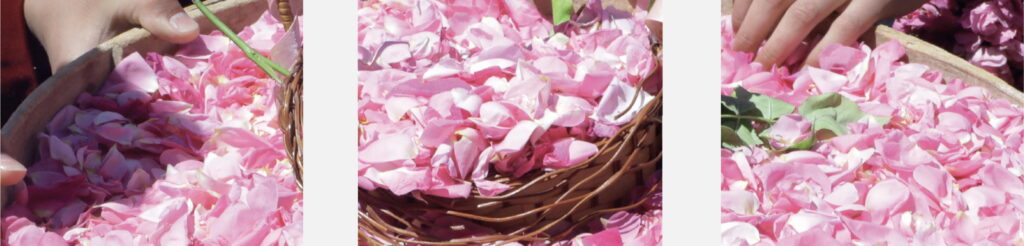
In addition to the Heritage Beyond Walls activities, 2023 offered another important occasion of dialogue between Italy and Syria thanks to “The Damascene Rose. From Syria to Turin” project, a collaborative
cultural endeavour led by the Musei Reali di Torino, the Fondazione Santagata for the Economics of Culture, and the Syria Trust for Development.
Maria Alsaleh
First Prize. Aleppo laurel soap
Aleppo soap and protect the unique qualities and characteristics of Aleppo soap, while also promoting its economic and cultural benefits. To achieve this, the proposal suggests the establishment of a Geographical Indication (GI) system for Aleppo soap. This system would define the geographical boundaries of the area where Aleppo soap can be produced, and set the standards and regulations for the production process. which only authentic Aleppo soap products can be marketed, and that the unique characteristics of the soap are preserved.
The proposal also suggests implementing process for Aleppo soap producers. This would involve training and capacity-building for producers, as well as monitoring and enforcement mechanisms to ensure that the standards are being followed.
Dana Aldroubi
Second Prize. Restoring the Third Paradise of Damascus
This paper is dedicated to highlight the opportunity of the neglected natural heritage in Damascus city and the intangible heritage related to it. In this paper we focused on the tradition of “Seiran”, the Syrian picnic. “Siran” is a tradition that resulted naturally on the banks of “Barada” river acting as a representation of the eternal interaction between the damascene individual with his homeland nature.
Leen Rafeh
Third Prize. The Euphrates reimagined: art, water, and sustainable agriculture in Northern Syria
Water scarcity and unsustainable agricultural practices pose a significant challenge to Syria’s economy and society. This research paper provides a comprehensive historical overview of irrigation practices and their environmental impact. It emphasizes the importance of adopting sustainable farming methods in light of the increasing water scarcity crisis. The paper focuses on the case of northern Syria and analyses the role of the Euphrates River in the development of agriculture in the region. The study examines the sustainability of current
agricultural practices and proposes the Third Paradise concept, developed by Michelangelo Pistoletto, as a potential model for sustainable development. The paper concludes that sustainable agriculture is crucial for addressing the water scarcity crisis and ensuring a resilient future for Syria.
Abeer Sanyour
Special Mention. Storytelling for sustainable development Syrian communities. Case study: Al-Hakawati in the popular café Al-Nawfraa in Damascus
This paper attempts to take advantage of the symbols of the original Damascene heritage “Al-Hakawati” and try to document it as a symbol of the intangible heritage to ensure the achievement of sustainable development in Syria. This paper deals with the Damascene storyteller in terms of his character, the rituals accompanying him, and the Damascene cafes associated with him, to spread community awareness of this ancient profession associated with the history of Damascus, by addressing the importance of oral history and the oral tradition of storytelling, which has long been a source of livelihood for social groups in old age. The storyteller in the city of Damascus constitutes an authentic craft and a symbol of visual sustainability for the residents of the Damascene neighbourhood and for the tourists. Therefore, it is important to introduce this character and invest in it and in the rituals associated with it such as making the traditional clothes he wears and taking care of Dimashq environment and rehabilitating the popular cafes that host “Al-Hakawati” in the Damascene evenings.